
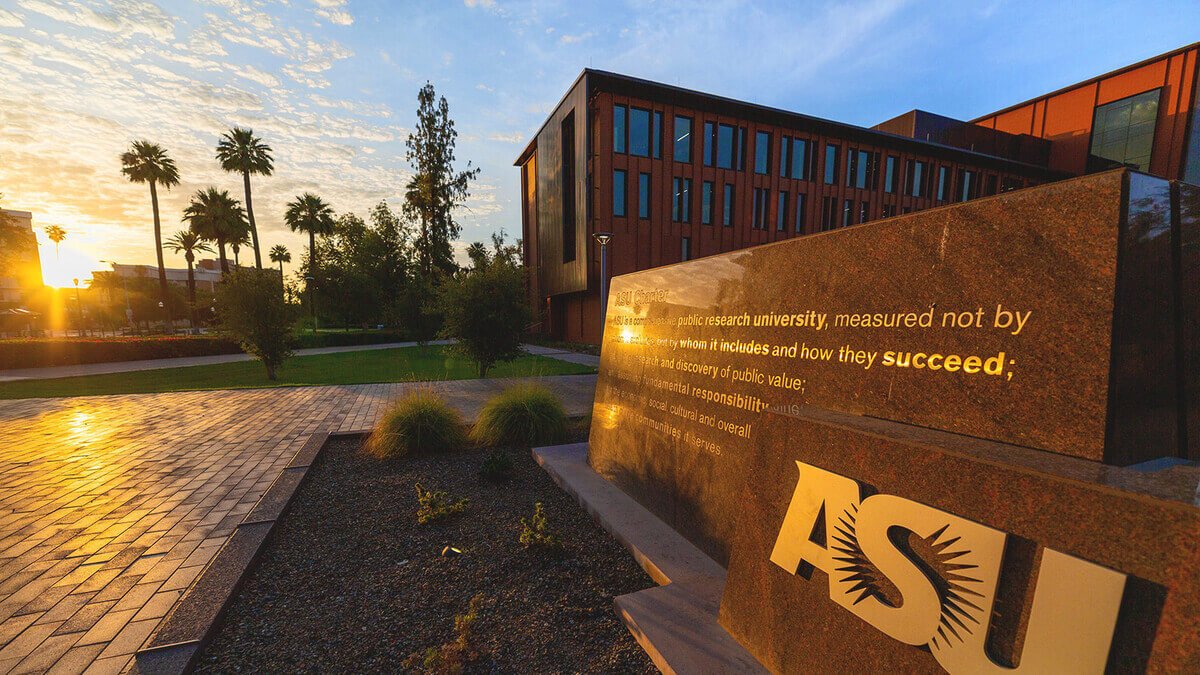
Graduating from college is a pivotal moment, marking the transition from academic life to the professional world. For students at Arizona State University (ASU), this transition comes with significant advantages: a strong academic reputation, extensive career support services, and connections to a wide network of employers across industries. ASU graduates consistently demonstrate high employability, competitive starting salaries, and diverse career paths, both in the U.S. and globally.
This article explores the career opportunities available to ASU graduates, highlights the university’s support systems, examines typical employers and industries, and offers practical strategies for maximizing post-graduation success. Whether you are a current student, a prospective applicant, or simply exploring the value of an ASU degree, this guide provides a comprehensive overview of how ASU prepares its graduates to thrive in the workforce.
Why ASU Graduates Are in Demand: Employment Outcomes & Global Reputation
- ASU continues to rank among the top U.S. public universities for graduate employability. According to a 2025 report, ASU is ranked No. 2 among U.S. public universities — ahead of many elite institutions — in the latest global employability survey. ASU News+1
- For recent graduates (both undergraduate and graduate), ASU shows strong employment outcomes: in a 2015–2016 recent graduate survey, 90% of graduate students who sought work were employed full- or part-time about 90 days after graduation; 92% had a job or a job offer. provost.asu.edu
- For undergraduates at ASU’s business school — W. P. Carey School of Business — the Class of 2024 reported an average starting salary of US$ 62,002. wpcarey.asu.edu+1
- The impact of ASU‑educated professionals on the economy is substantial: a recent analysis estimated that in 2023 the aggregate wage of ASU graduates was significantly higher than non‑degree holders, contributing majorly to state and local tax revenues. ccpr.wpcarey.asu.edu
In short: ASU’s academic reputation, broad curriculum, and strong ties with industry give its graduates a competitive edge in the job market.
Career Support at ASU: Services, Internships & Alumni Network
One reason ASU graduates transition successfully into jobs is because of robust institutional support in career planning.
- The university’s career services infrastructure is active before and after graduation. For example, ASU provides career advising, resume building assistance, mock interviews, and support via its online job portal. ASU Online+2alumni.asu.edu+2
- Internships and practical work experiences are strongly encouraged. Even for online students, ASU offers remote and in‑person internships, helping build real-world skills before graduation. ASU Online+1
- The alumni services of ASU remain available after graduation. New graduates can access career advising, job postings, and networking through alumni services and the ASU‑hosted platform. alumni.asu.edu+1
- For students of W. P. Carey, there are over 650 employers across 35+ industries partnering with the school to recruit talent — a clear sign of strong industry connections and recruitment pipelines. wpcarey.asu.edu+1
This support system — combining academic preparation with career services and employer networking — helps bridge the gap between study and employment.
Where ASU Graduates Work: Typical Employers & Career Paths
Graduates from ASU enter a wide variety of fields — technology, business, health, engineering, consulting among others — and are recruited by major global employers.
Some of the notable employers hiring ASU graduates include:
- Major tech and technology‑adjacent firms: Amazon.com, Inc., Intel Corporation, Apple, Inc.. provost.asu.edu+2newsroom.asu.edu+2
- In business and consulting: Deloitte, Honeywell International, among others. newsroom.asu.edu+2newsroom.asu.edu+2
- Healthcare, engineering, analytics, and other sectors also recruit ASU grads — reflecting the diversity of ASU’s degree programs and the versatility of their skill sets. provost.asu.edu+2ccpr.wpcarey.asu.edu+2
Particularly for business graduates via W. P. Carey, the pipeline to employers across many industries is well‑developed; this gives students flexibility to enter different career paths depending on their interests and skills. wpcarey.asu.edu+2wpcarey.asu.edu+2
ASU’s emphasis on high‑demand fields such as data analytics, engineering, healthcare, sustainability, and digital media — aligned with global workforce needs — makes its graduates attractive for employers worldwide. newsroom.asu.edu+2ASU News+2
What It Means for You (or Prospective Students): Strategy & Tips for Best Outcomes
Whether you’re a current ASU student, a prospective applicant, or evaluating your post-graduation strategy, here are some practical takeaways:
- Engage early with internships and practical experience — internships (on‑campus, off‑campus, remote) are key to building a resume that stands out. ASU supports this strongly, even for online students.
- Utilize ASU’s career services and alumni network — resume help, interview prep, mentorship, and job listings via the alumni portal and internal job board (e.g. Handshake) can significantly help in the job search.
- Leverage the diversity of degree programs — whether in business, engineering, data science, etc., ASU offers many paths. Identify what sectors interest you and align your coursework, extracurriculars, and internships accordingly.
- Be adaptable and cultivate so-called “durable” or “future‑proof” skills — beyond technical know-how, employers value traits like adaptability, communication, digital literacy, and a willingness to learn. ASU emphasises such traits as part of its “Sun Devil experience.” ASU News+2provost.asu.edu+2
- Network — with peers, faculty, alumni, and through career fairs — many employers recruiting ASU graduates come through relationships, referrals, and campus recruitment events rather than passive job applications.
Challenges & Real‑World Job Market Context
Of course, no matter how strong a university’s reputation is, there are external factors that affect graduates’ job prospects. Realities such as economic cycles, industry demand shifts, visa requirements (for international students), and competition all play a role.
Some graduates and students on public forums (e.g. those discussing their experiences after ASU on Reddit) reflect this mixed reality:
“I’m just here to rant … it’s gonna be 3 months since I’ve graduated soon and I’m still unemployed … I’ve applied to over 150 jobs … but still nothing.” Reddit
Others note that internships at small companies or “non-big-name” employers can be harder to translate into full‑time offers, and recommend flexibility (e.g. alternate pathways like procurement, operations, general rotation programs) while searching. Reddit
This suggests: while ASU gives many tools and advantages, outcomes still depend on individual initiative, timing, external economic conditions, and sometimes luck.
Conclusion
ASU offers a fertile environment for launching a career after graduation. With high employment rates among recent graduates, strong support via career services, a wide network of top employers, and flexibility across disciplines — ASU graduates are well-positioned for success.
That said, success still depends heavily on how proactively students engage with internships, use career resources, build networks, and adapt to evolving job market demands. For students who are ready to invest time and effort — ASU can serve as a powerful springboard to meaningful, well-paying, and dynamic careers.