
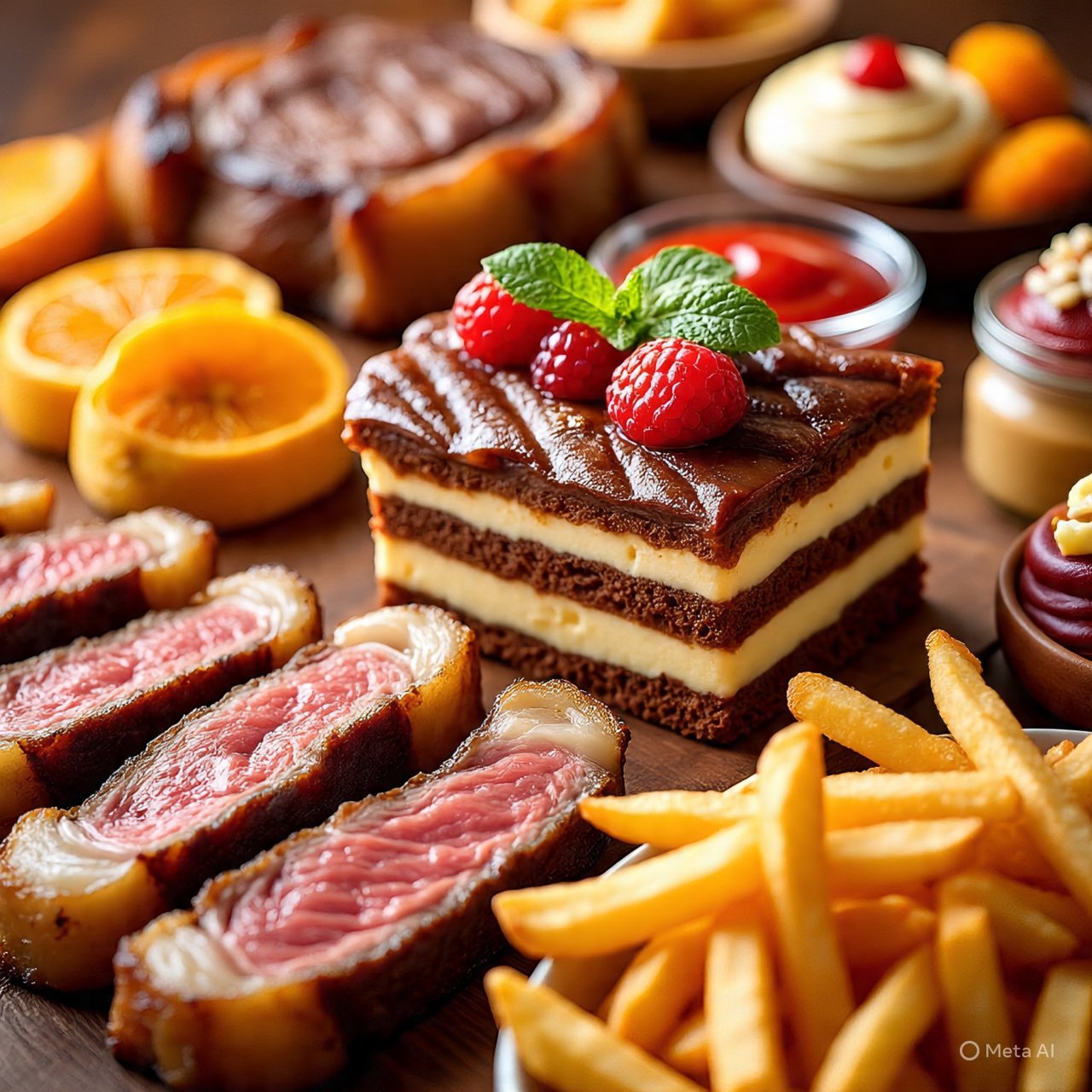
The Pillars of Culinary Excellence What Makes a Dish Truly Delicious
Delicious recipes often share common characteristics that elevate them beyond mere sustenance, transforming them into memorable culinary experiences. It’s an intricate dance of elements that together create something truly special, satisfying not just hunger but also the senses and the soul. When we speak of a “delicious” dish, we’re referring to a carefully orchestrated symphony of various components, each playing a vital role in the overall harmony. Understanding these foundational principles can empower home cooks and seasoned chefs alike to consistently create meals that delight and impress.
The Art of Flavor Harmony A Symphony for the Palate
At the heart of a delicious dish lies a harmonious balance of flavors. This isn’t just about combining ingredients, but about ensuring sweet, sour, salty, bitter, and umami notes complement each other, creating depth and complexity on the palate. Imagine a classic dish like Thai Tom Yum soup: the sourness from lime juice, the heat from chili, the sweetness from a touch of sugar, the saltiness from fish sauce, and the rich umami from shrimp and mushrooms all intertwine to create a vibrant, multi-layered taste sensation. Without this deliberate balance, a dish can fall flat, tasting either too one-dimensional or overwhelmingly unbalanced.
Achieving flavor harmony requires an understanding of how these fundamental tastes interact. Sweetness can mellow harshness or acidity, while salt can amplify other flavors and cut through richness. Sour notes provide brightness and contrast, preventing a dish from becoming cloying. Bitterness, often found in ingredients like dark chocolate, coffee, or certain greens, can add sophistication and complexity when balanced correctly. Finally, umami, often described as a savory, meaty taste, provides a deep, satisfying background that makes you want another bite. It’s the subtle, profound quality found in aged cheeses, mushrooms, ripe tomatoes, and fermented foods. Mastering the interplay of these elements is a hallmark of truly great cooking, moving a meal from merely edible to exquisitely memorable [Source: CulinarySchools.org – What Is Umami?].
The Allure of Texture A Play on Sensations
Beyond flavor, texture plays a crucial role in making a dish truly delicious. A truly memorable recipe often incorporates a variety of textures—think the crispiness of a perfectly seared skin contrasted with tender, juicy meat, or the crunch of fresh vegetables alongside a creamy sauce. These textural contrasts add interest and enjoyment to each bite, preventing the palate from becoming fatigued. Consider the satisfying snap of a perfectly cooked green bean, the yielding tenderness of slow-braised short ribs, or the comforting chewiness of al dente pasta. Each brings a different tactile sensation that contributes to the overall eating experience.
A monotonous texture, regardless of how good the flavor, can make a dish less engaging. For instance, a dish that is entirely soft or entirely crunchy lacks the dynamic interplay that keeps the diner interested. Chefs often deliberately incorporate different textures—adding toasted nuts to a salad, crispy croutons to a soup, or a creamy element to a crunchy main component—to elevate the dining experience. These variations create a delightful journey for the mouth, making each mouthful a new discovery and contributing significantly to the perception of deliciousness [Source: Food & Wine – The Importance of Texture].
The Power of Aroma Awakening the Senses Before the First Bite
Aroma is equally vital, as much of what we perceive as taste is actually smell. Our olfactory receptors are intricately linked to our perception of flavor, meaning that a dish’s fragrance can significantly influence its appeal even before the first bite is taken. Fragrant spices like cumin, coriander, and cinnamon; fresh herbs such as basil, cilantro, and rosemary; and aromatics like garlic, onions, and ginger can entice the senses and set expectations for the meal to come, enhancing the overall dining experience. The rich, earthy smell of mushrooms sautéing, the sweet perfume of baking bread, or the bright citrusy zest of a marinade all contribute to the anticipation and enjoyment of food.
When we taste food, volatile molecules are released into the back of our throats, traveling up to our nasal cavity where they are detected by olfactory receptors. This retro-nasal olfaction is a major component of flavor perception. A dish that smells inviting is far more likely to be perceived as delicious. Conversely, a dish that lacks an appealing aroma, even if its flavors are technically balanced, can seem lackluster. This strong connection between smell and taste highlights why chefs often focus on building layers of aromatic ingredients, not just for their direct taste contribution but for their power to engage our sense of smell and elevate the entire culinary journey [Source: Frontiers in Behavioral Neuroscience – The Impact of Olfactory Information on Food Preference].
The Foundation High Quality Fresh Ingredients
High-quality, fresh ingredients are the foundation of any exceptional recipe. It’s a simple truth that you cannot make truly delicious food from subpar components. Ripe produce, well-sourced meats, premium dairy, and high-grade pantry staples inherently possess superior flavor, requiring less intervention or masking to taste great. A perfectly ripe tomato picked at its peak, for example, offers a sweetness and acidity that cannot be replicated by an unripe, out-of-season alternative, no matter how skilled the chef. Similarly, grass-fed beef or sustainably caught fish will have a more nuanced and richer flavor profile than their conventionally raised counterparts.
Investing in quality ingredients means starting with a natural advantage. These ingredients are often more vibrant in color, more potent in aroma, and richer in nutrients, all of which contribute to a more satisfying and delicious final dish. While clever cooking can improve mediocre ingredients, it can never entirely overcome their inherent limitations. The best chefs understand that their role begins with selecting the finest raw materials, allowing their natural qualities to shine through with minimal embellishment [Source: The Kitchn – The Most Important Ingredient of All When Cooking].
The Precision of Technique Mastering the Craft
Furthermore, proper technique, from precise knife cuts to accurate cooking temperatures, ensures ingredients are treated optimally, preserving their natural qualities and bringing out their best flavors. Technique is the chef’s toolkit, the means by which raw ingredients are transformed into a culinary masterpiece. Consistent knife cuts, for instance, aren’t just for aesthetics; they ensure even cooking, meaning all pieces of a vegetable or meat will reach their desired doneness at the same time. Overcooked or undercooked ingredients disrupt the texture and often compromise the flavor of an entire dish.
Understanding and controlling cooking temperatures are equally critical. Searing meat at a high temperature creates a flavorful crust through the Maillard reaction, while gentle poaching preserves the delicate texture of fish. Slow cooking methods, like braising, break down tough cuts of meat into succulent, tender morsels. Emulsifying sauces, whipping egg whites to perfect peaks, or kneading dough to the right consistency are all techniques that require practice and precision, directly impacting the final taste, texture, and appearance of a dish. Ultimately, a delicious recipe is a carefully orchestrated symphony of taste, texture, aroma, and quality, culminating in a dish that satisfies and delights through the skillful application of these fundamental culinary principles [Source: Fine Dining Lovers – 7 Secrets of a Great Chef in the Kitchen].
Sources
- CulinarySchools.org – What Is Umami?
- Fine Dining Lovers – 7 Secrets of a Great Chef in the Kitchen
- Food & Wine – The Importance of Texture
- Frontiers in Behavioral Neuroscience – The Impact of Olfactory Information on Food Preference
- The Kitchn – The Most Important Ingredient of All When Cooking
Conclusion:
A truly delicious dish balances the five core tastes—sweet, sour, salty, bitter, and umami—creating depth and harmony. Texture adds excitement, with contrasts like crisp and creamy enhancing enjoyment. Aroma, deeply tied to flavor, awakens the senses and shapes our perception before the first bite. Fresh, high-quality ingredients and precise cooking techniques complete the foundation, turning meals into unforgettable culinary experiences.